Earlier Research and Field Campaigns
I previously worked on in situ aerosol measurement, atmospheric instrumentation, and isotopic water vapor as a tracer of cold cloud microphysics, first during my Ph.D. at the University of Chicago and then in NOAA's Chemical Sciences Division. This work established the observational foundation my current research draws on, and I remain interested in how we can improve airborne observational analysis using data science methods. My current work is on the Research Program page, and current funded projects are on the Research Projects page.
Global-scale constraints on combustion aerosols
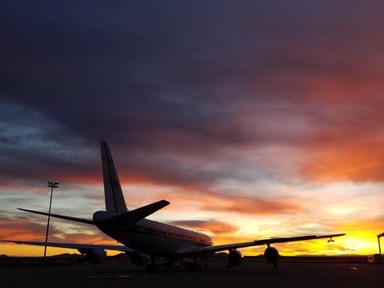
Iron oxide combustion aerosols have been identified as an anthropogenic source of atmospheric absorption, and may supply particulate iron to the oceans, where it could play a role in the biogeochemical cycle. To provide global-scale constraints on these aerosols I developed a new methodology to characterize them in situ and compiled observations from research flights during the NASA Atmospheric Tomography Mission and the HIAPER Pole-to-Pole Observations.
[1] Lamb et al. npj Climate and Atmospheric Science (2021)
[2] Liu et al. npj Climate and Atmospheric Science (2022)
Single-particle aerosol detection using machine learning
Machine learning can improve the classification and characterization of aerosols measured in situ with specialized instrumentation such as the Single Particle Soot Photometer.
[1] Doshi and Lamb. Atmospheric Measurement Techniques (2025)
[2] Lamb. Atmospheric Measurement Techniques (2019)
[3] Lamb. NeurIPS Tackling Climate Change with AI (2019)
Aerosol sources in East Asia
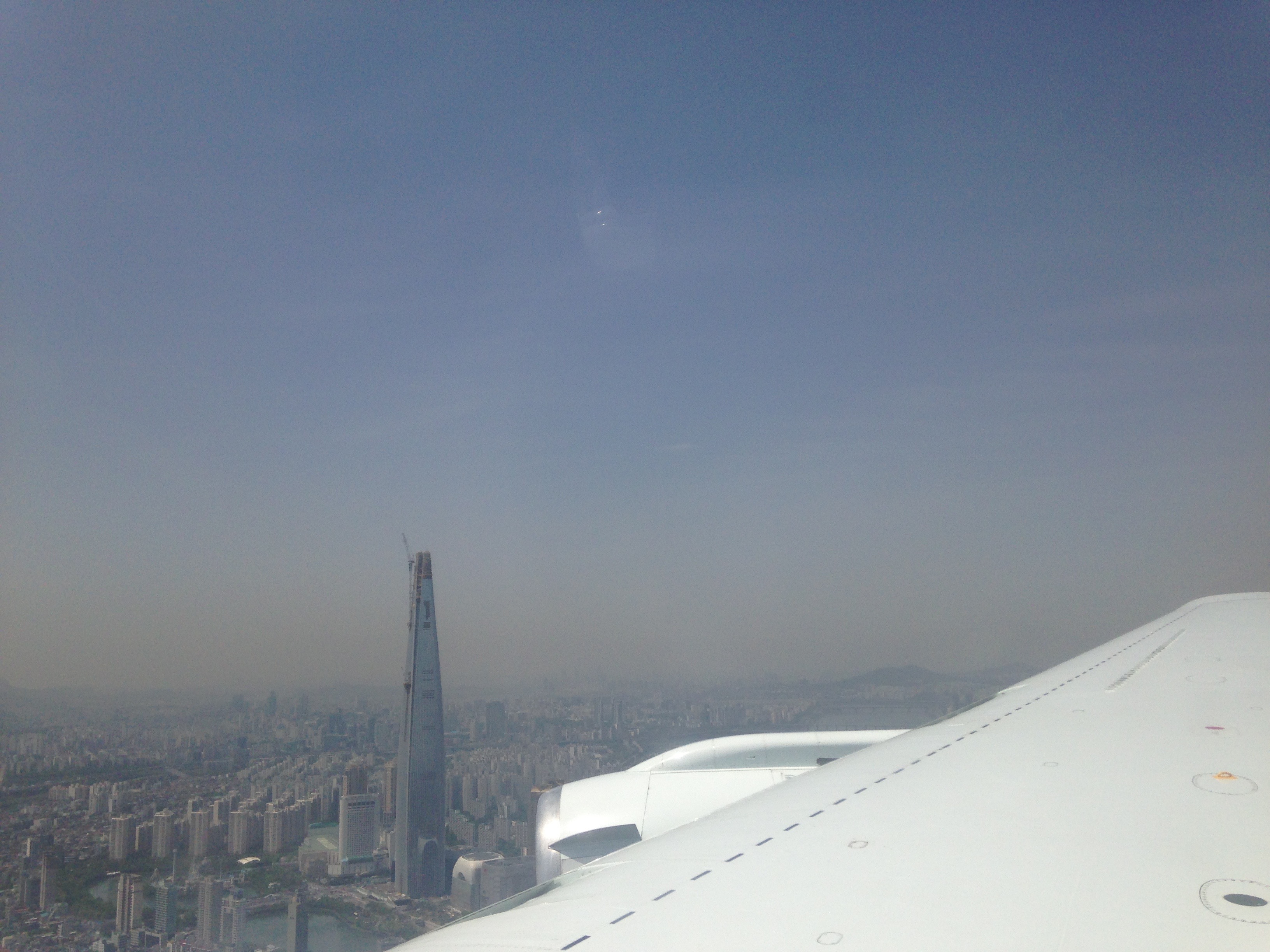
Black carbon, a submicron aerosol from incomplete combustion, strongly absorbs solar radiation. To characterize it in East Asia, its strongest anthropogenic source region, I participated in the NASA KORUS-AQ campaign in South Korea in 2016. Measurements with NOAA's Single Particle Soot Photometer aboard NASA's DC-8 provided systematic, repeated observations of black carbon near Seoul, which I combined with back-trajectory and chemical tracer analysis to attribute its direct climate effects to regional sources.
[1] Lamb et al. JGR: Atmospheres (2018)
[2] Choi et al. Atmospheric Environment (2021)
[3] Saide et al. Atmospheric Chemistry and Physics (2020)
Biomass burning aerosol emissions
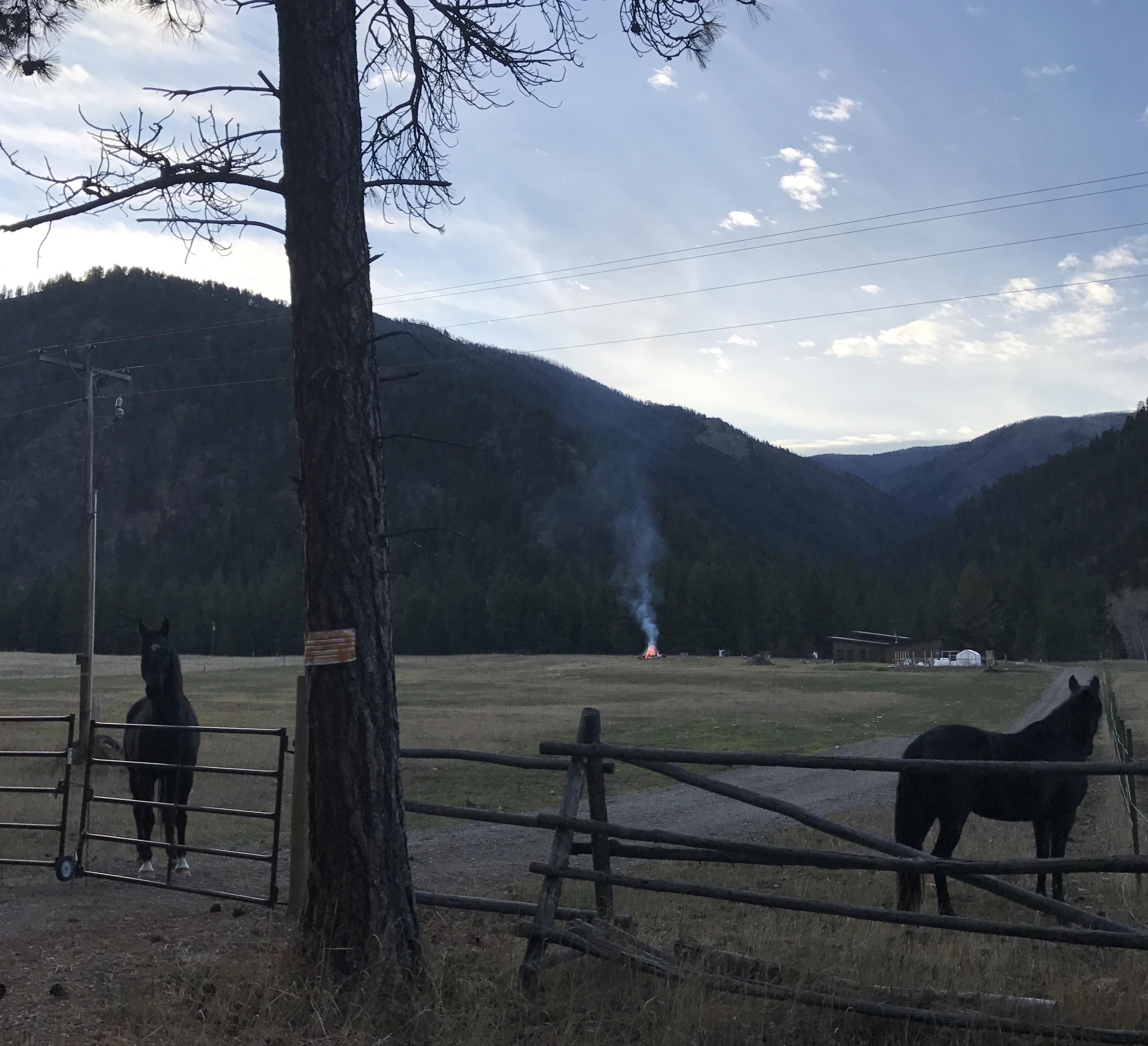
As forest fires in the western United States become more common, understanding their impact on air quality and climate matters more. I collaborated on the multi-institution 2016 NOAA FIREX Firelab Study at the USDA Fire Sciences Laboratory to systematically measure emissions from fires, studying fundamental characteristics of aerosol emissions and validating measurement techniques.
[1] Womack et al. Atmospheric Chemistry and Physics (2021)
[2] Adler et al. Aerosol Science and Technology (2019)
[3] Manfred et al. Atmospheric Chemistry and Physics (2018)
Isotopic water vapor and atmospheric instrumentation
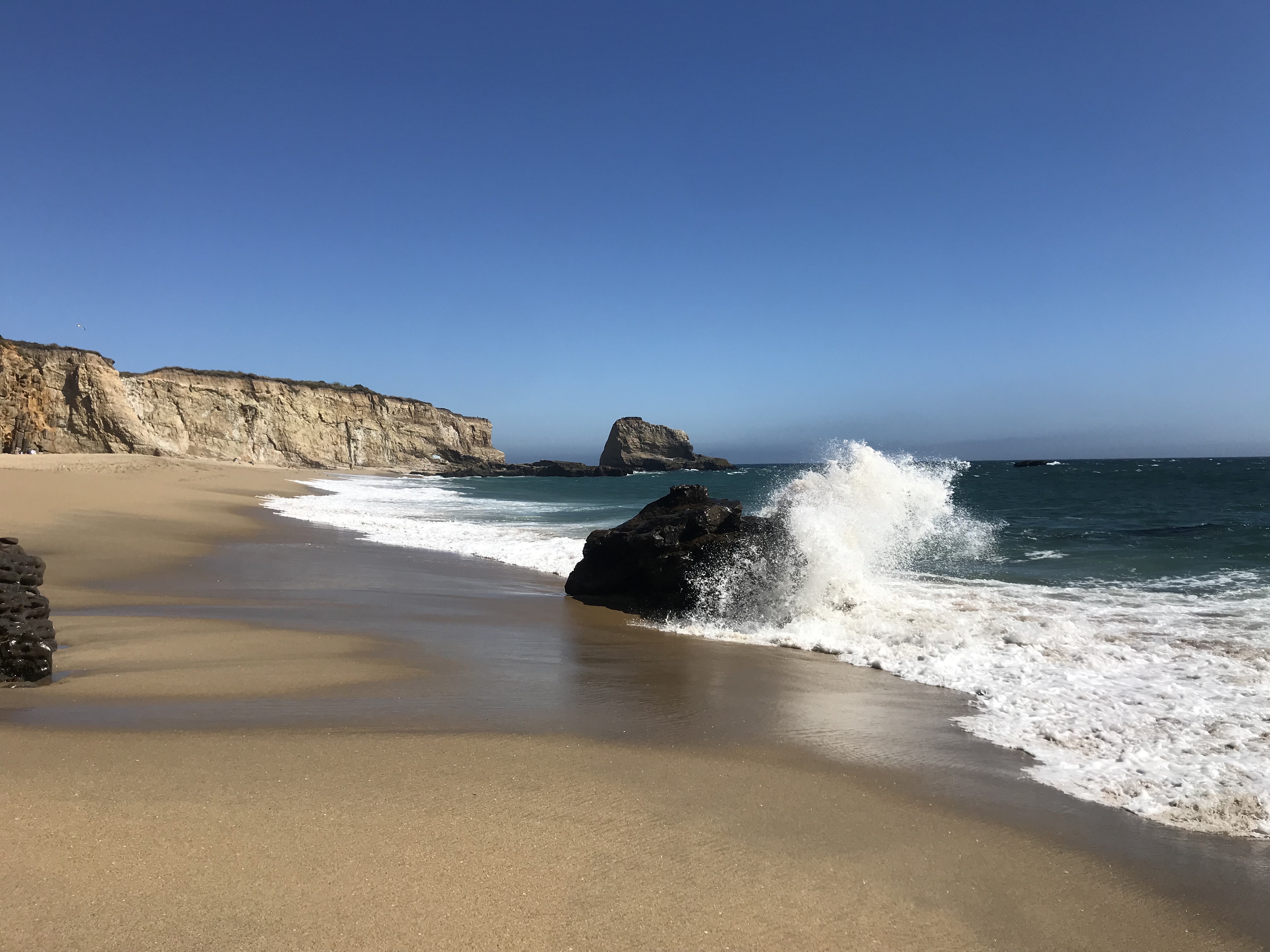
The isotopic composition of water is an important tracer of geophysical and atmospheric processes, since the preferential deposition of heavy water as ice records both the sources of water and its past history. My doctoral thesis focused on experimental characterization of isotopic water vapor at low temperatures as a tracer of cirrus cloud microphysics, providing the first experimental verification of isotopic fractionation factors of water vapor at low temperatures in both equilibrium and non-equilibrium conditions. This required designing, building, and characterizing a mid-infrared spectrometer capable of measuring water vapor and its isotopic composition in tropical tropopause layer conditions.
[1] Lamb et al. PNAS (2017)
[2] Clouser et al. Atmospheric Chemistry and Physics (2020)
[3] Sarkozy et al. Review of Scientific Instruments (2020)
Aircraft field campaigns
NASA Korean–United States Air Quality Study
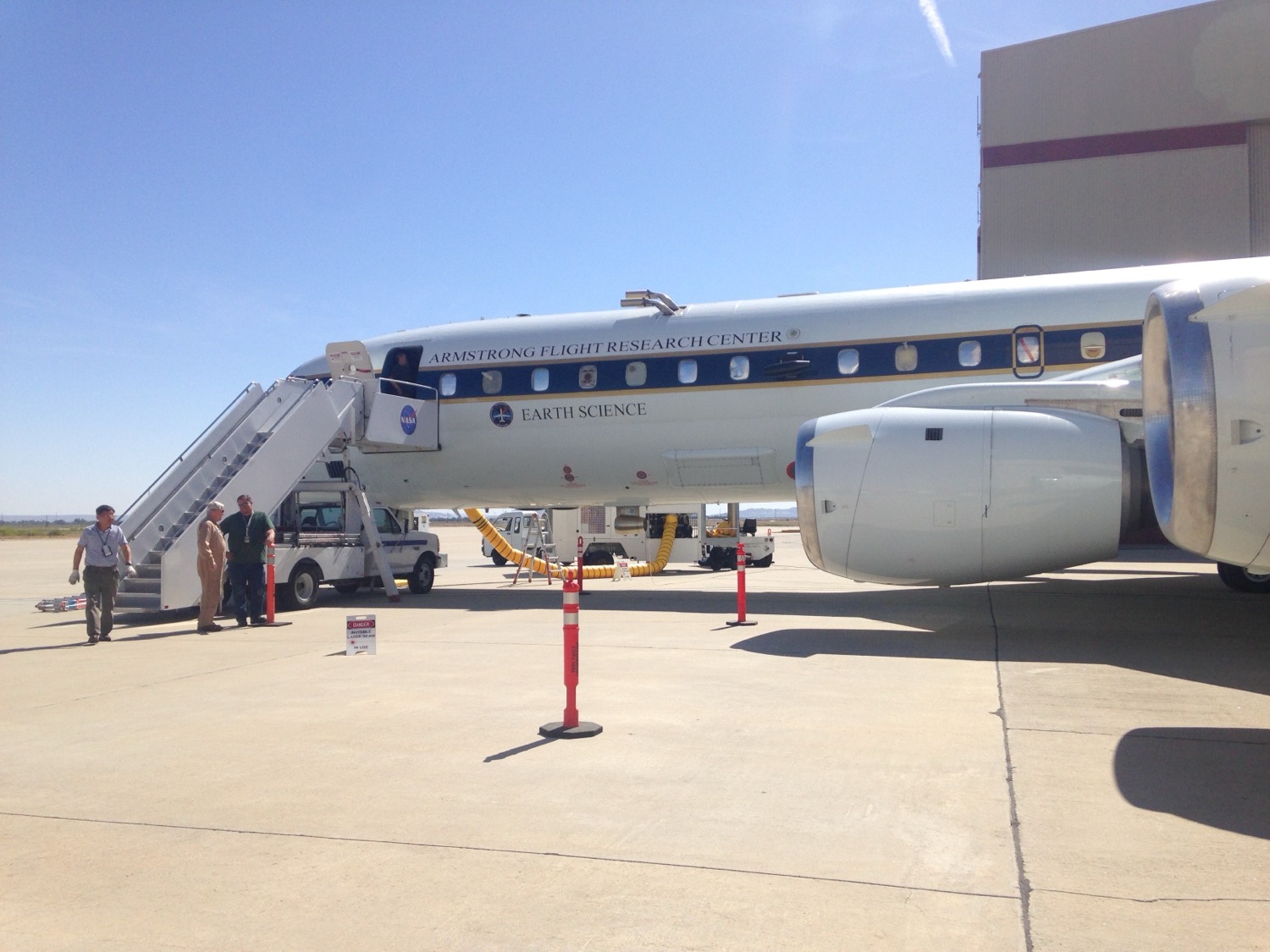
I participated in the field deployment of the NASA–NIER Korean–United States Air Quality Study, KORUS-AQ, carried out in South Korea in spring 2016. This aircraft campaign was an international effort to improve understanding of air quality in East Asia. I was also on the science team for the NASA Atmospheric Tomography Mission (ATom), 2016–2018.
Laboratory studies
NOAA 2016 FIREX Firelab Study
Forest fires are a major source of aerosols that affect both air quality and climate. During the NOAA 2016 FIREX Firelab Study at the USDA Fire Sciences Laboratory, I spent two months in Missoula, MT, collaborating with researchers from NOAA's Chemical Sciences Division on experiments characterizing the optical properties of black and brown carbon from biomass burning.
AQUAVIT-2 Campaign
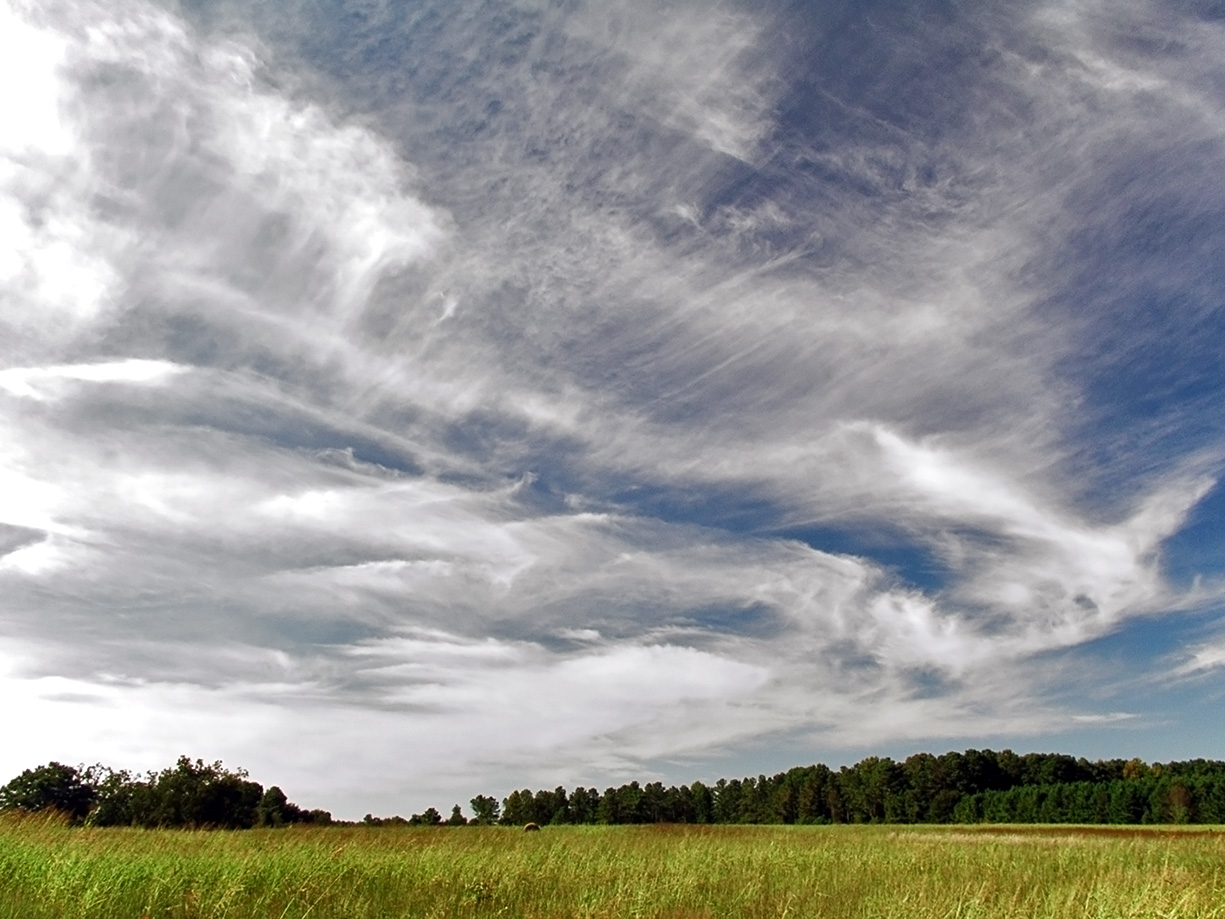
Cirrus clouds in the tropical tropopause layer (TTL) regulate the amount of water vapor entering the stratosphere, where it acts as an important greenhouse gas. Because the TTL is very cold and dry, water vapor there is challenging to measure accurately from aircraft and balloon platforms. I participated in the AQUAVIT-2 instrument intercomparison campaign at the AIDA Aerosol and Cloud Chamber in Karlsruhe, Germany, in 2013, to systematically test state-of-the-art water vapor instrumentation.
IsoCloud Campaigns
I participated in four research campaigns at the AIDA Aerosol and Cloud Chamber in Karlsruhe, Germany, in 2012–2013. The IsoCloud campaigns characterized ice growth in ultra-cold cirrus clouds and the fundamental properties of isotopic water vapor at these temperatures.